
Winter Safety for Seniors: What Families Need to Know
Winter brings beautiful snowfalls, cozy days indoors, and time spent with family—but it can also create unique safety concerns for older adults.
Snow, ice, freezing temperatures, power outages, and hazardous driving conditions can increase the risk of falls, injuries, and other emergencies for seniors. For family caregivers, preparing ahead of time can help protect a loved one and provide greater peace of mind throughout the winter months.
Whether your loved one lives independently, receives care at home, or lives in a senior care community, these 10 winter safety tips for seniors can help keep them safe, warm, and prepared.
1. Create a Winter Emergency Kit
Severe winter weather can make it difficult to leave home or access essential supplies. Prepare an emergency kit before the first major storm arrives.
The kit should include:
- Bottled water
- Nonperishable food
- Necessary medications
- Flashlights and extra batteries
- A battery-powered weather radio
- First-aid supplies
- Blankets and warm clothing
- Important phone numbers and emergency contacts
Aim to have enough essential supplies to remain safely at home for several days.
Caregiver tip: Check the emergency kit periodically and replace expired food, medications, batteries, and other supplies as needed.
2. Keep a Phone or Emergency Alert Device Within Reach
During an emergency—or after a fall—being able to quickly call for help is essential.
Make sure your loved one has access to a fully charged cell phone or an appropriate medical alert or emergency call system. The device should be easy to reach from commonly used areas of the home, including the bedroom and bathroom.
For seniors who are at increased risk of falling, having an easy way to call for assistance can provide an added layer of protection.
3. Dress for Cold Weather
Older adults can be more vulnerable to cold temperatures, making proper winter clothing especially important.
Before heading outdoors, make sure your loved one has:
- A warm winter coat
- Hat or other head covering
- Gloves or mittens
- Warm socks
- Insulated boots with good traction
When choosing winter footwear, prioritize comfort, stability, and non-slip soles to help reduce the risk of slipping on snow or ice.
4. Check the Heating System and Carbon Monoxide Detectors
A warm home is essential during winter, but heating equipment can also present safety risks if it isn’t properly maintained.
Have the home’s furnace or heating system inspected according to the manufacturer’s recommendations. Make sure carbon monoxide detectors are installed and functioning properly, and replace batteries as needed.
If space heaters are used, keep them away from curtains, bedding, furniture, and other flammable materials. Never use a stove, oven, grill, or other appliance that isn’t designed for heating the home.
5. Keep Walkways, Steps, and Driveways Clear
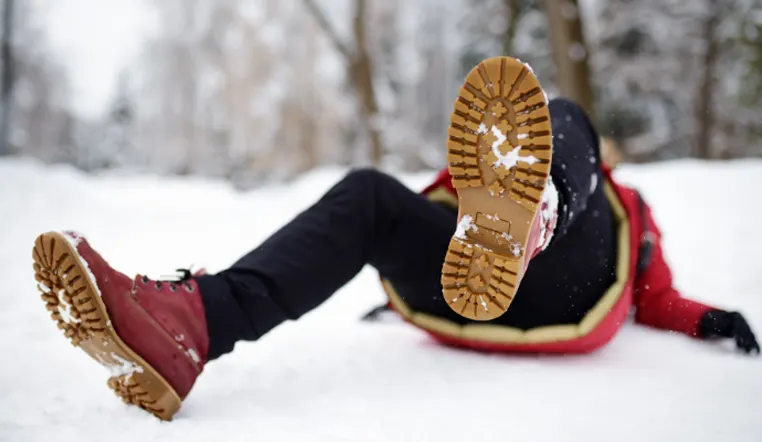
Falls are one of the biggest winter safety concerns for seniors. Snow and ice can make sidewalks, steps, driveways, and parking areas particularly hazardous.
Keep frequently used walkways clear of snow and ice and use appropriate ice-melt products when needed. Make sure handrails are secure and outdoor lighting provides good visibility.
If your loved one cannot safely shovel snow or manage icy conditions, arrange for a family member, neighbor, or professional service to help.
When conditions are particularly hazardous, encourage your loved one to stay indoors whenever possible.
6. Plan for Safe Transportation
Winter weather can make driving challenging for anyone, and older adults may face additional concerns related to visibility, balance, reaction time, or mobility.
When roads are snowy or icy, encourage your loved one to postpone unnecessary trips until conditions improve.
For essential appointments or errands, consider alternatives such as family transportation, community senior transportation programs, or other reliable transportation services.
A little planning can help prevent an unnecessary winter emergency.
7. Prepare the Vehicle for Winter
If your loved one drives during the winter, make sure their vehicle is ready for cold and changing road conditions.
Have the vehicle checked for:
- Tire condition and tread
- Battery life
- Antifreeze and other fluids
- Windshield washer fluid
- Wiper blades
- Heater and defroster
- Headlights and brake lights
Regular vehicle maintenance can help reduce the risk of a breakdown when temperatures are at their lowest.
8. Keep a Winter Emergency Kit in the Car
Even a well-maintained vehicle can experience unexpected problems during winter travel.
Keep an emergency kit in the car that includes:
- Blankets
- Warm clothing
- Bottled water
- Nonperishable snacks
- Flashlight and extra batteries
- Phone charger
- First-aid supplies
- Jumper cables
The kit should be stored somewhere that is easy to access if the vehicle becomes disabled.
9. Explore Local Emergency Assistance Programs
Some communities offer programs that help emergency responders identify older adults or individuals who may need additional assistance during emergencies.
Contact your local fire department, police department, county services, or Area Agency on Aging to learn about programs available in your community.
It is also a good idea to keep emergency contacts and important medical information updated and easily accessible.
10. Consider Respite Care When You Need Additional Support
For family caregivers, winter can bring additional responsibilities and concerns. If you need to travel, manage an emergency, or simply need a temporary break from caregiving responsibilities, respite care can provide a valuable solution.
Respite care gives your loved one the opportunity to stay in a safe, supportive care environment while you take time to rest, travel, manage personal responsibilities, or simply recharge.
At Optalis, short-term stays may also provide an opportunity for seniors and families to experience the support and services available in an Optalis community.
Don’t Wait for the First Winter Storm to Prepare
The best time to prepare for winter is before the snow and ice arrive.
A few simple precautions—clearing walkways, checking heating systems, preparing emergency supplies, and making a transportation plan—can help reduce safety risks and give seniors and their families greater peace of mind.
And if your loved one’s needs have changed, you don’t have to navigate the next step alone.
We’re Here to Help Your Family Navigate Senior Care
At Optalis, we understand that every senior and every family has different needs. Our compassionate teams provide a range of care and rehabilitation services designed to support older adults and their families throughout Ohio and Michigan.
Whether your loved one needs short-term rehabilitation, skilled nursing care, respite care, or additional support, we’re here to help you understand your options and find the right level of care.
Have questions about care for your loved one? Contact your nearest Optalis community today to speak with our team and learn how we can help.
Plan Ahead. Stay Safe. We’re Here When You Need Us.
Explore an Optalis location near you or contact our team today to learn more about senior care and rehabilitation services in your community.