
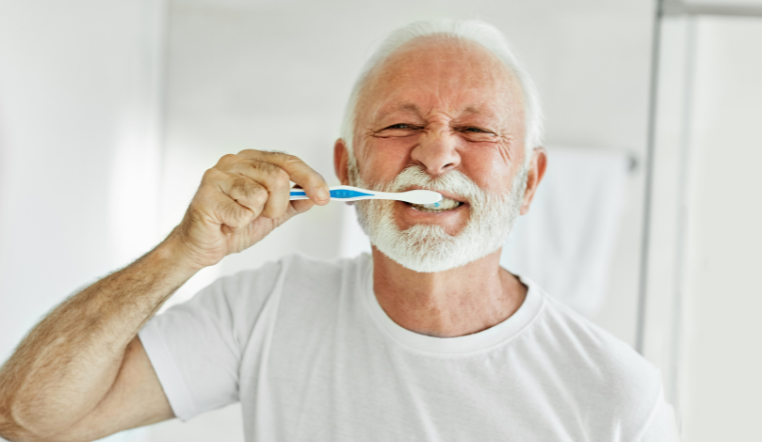
As we age, taking care of our teeth and gums becomes an important part of maintaining overall health and quality of life. Good oral hygiene can help seniors prevent tooth decay, gum disease, tooth loss and other oral health problems that can make eating, speaking and enjoying everyday activities more difficult.
But oral health isn’t just about maintaining a healthy smile. Research has found connections between oral health and several conditions that affect older adults, making regular dental care and daily oral hygiene an important part of a senior’s overall wellness routine.
Why Is Oral Health Important for Seniors?
Older adults can face unique challenges when it comes to maintaining good oral health. Age-related changes, certain medications, chronic health conditions and difficulty with brushing or flossing can all affect the health of the teeth and gums.
Poor oral hygiene can allow plaque and bacteria to build up along the teeth and gums. Over time, this can contribute to gum inflammation, periodontal disease, tooth decay and tooth loss.
Oral health can also affect nutrition. Seniors experiencing tooth pain, missing teeth or difficulty chewing may avoid certain foods, particularly fruits, vegetables and other nutritious choices that can be harder to chew.
Is There a Connection Between Oral Health and Heart Disease?
You may have heard that gum disease causes heart disease. While researchers continue to study the relationship between oral and cardiovascular health, a direct cause-and-effect relationship has not been conclusively established.
However, periodontal disease and cardiovascular disease share several risk factors, including smoking, diabetes and age. Chronic inflammation may also play a role in both conditions.
That means maintaining good oral health is one important component of an overall healthy lifestyle—particularly for seniors who are already managing other health conditions.
6 Ways Seniors Can Maintain Good Oral Hygiene
1. Brush twice a day.
Brush your teeth for approximately two minutes, morning and evening, using fluoride toothpaste. If holding a traditional toothbrush is difficult, an electric toothbrush or an adaptive toothbrush may make brushing easier.
2. Clean between your teeth every day.
Floss or use another dentist-recommended method to clean between your teeth. This helps remove food particles and plaque that a toothbrush cannot reach.
3. Visit the dentist regularly.
Regular dental examinations and professional cleanings can help identify problems before they become more serious. Your dentist can recommend how frequently you should schedule appointments based on your individual needs.
4. Be mindful of tobacco use.
Smoking and smokeless tobacco can negatively affect oral health and increase the risk of oral cancer. Talk with your healthcare provider if you would like help quitting.
5. Limit sugary foods and drinks.
Frequent exposure to sugar can increase the risk of tooth decay. When enjoying sweets, consider options that don’t remain in the mouth for long periods of time, and maintain good brushing habits.
6. Don’t use your teeth as tools.
Avoid chewing on hard objects such as ice or using your teeth to open packages. These habits can crack, chip or otherwise damage teeth.
What About Dentures?
Good oral hygiene is important even when a senior has dentures. Dentures should be cleaned regularly according to the dentist’s recommendations, and the mouth and gums should also be cleaned.
If dentures become uncomfortable, loose or cause sore spots, schedule a dental appointment. Changes in the mouth can affect how dentures fit over time.
Caregivers Can Help, Too
Some seniors may need assistance maintaining their daily oral hygiene routine. Physical limitations, arthritis, cognitive changes or other challenges can make brushing and flossing difficult.
Caregivers can help by:
- Providing easy-to-use toothbrushes and dental products
- Establishing a consistent morning and evening routine
- Offering reminders to brush and clean between teeth
- Helping with brushing when necessary
- Watching for changes such as mouth sores, bleeding gums, swelling, tooth pain or difficulty chewing
- Helping schedule and attend dental appointments
Don’t Ignore Changes in Oral Health
Seniors and caregivers should talk with a dentist or healthcare professional if they notice persistent tooth pain, bleeding or swollen gums, loose teeth, mouth sores, difficulty chewing or swallowing, changes in the fit of dentures, or other unusual changes in the mouth.
Taking care of your teeth and gums is about more than having a healthy smile. For seniors, good oral hygiene can support comfort, nutrition, communication and overall quality of life.
A healthy mouth is an important part of healthy aging. Make oral care a regular part of your daily wellness routine and talk with your dental and healthcare providers about the best approach for your individual needs.